
Morton's Neuroma: Symptoms and Conservative Treatment

Reviewed by the Physiotherapy Team at Waterloo Sports Medicine Centre
Do you experience burning pain in the ball of your foot or feel like you're walking on a pebble? These symptoms could be caused by Morton's neuroma, a common condition that affects the nerves between the toes. Although it can make walking and standing uncomfortable, many people experience significant improvement with conservative treatment, including physiotherapy, footwear modifications, and activity changes.
What Is Morton's Neuroma?
Morton's neuroma is a thickening of the tissue surrounding one of the small nerves that runs between the toes, most commonly between the third and fourth toes. As the nerve becomes irritated or compressed, it can cause pain, tingling, numbness, or a burning sensation in the forefoot. Despite the name, Morton's neuroma is not a true tumour. It is a benign enlargement of the tissue surrounding the nerve caused by repeated irritation.
What Causes Morton's Neuroma?
Morton's neuroma develops when repeated pressure or irritation compresses the nerve in the forefoot.
Common contributing factors include:
Wearing tight or narrow shoes
High-heeled footwear
Repetitive high-impact activities such as running
Sports that involve frequent pivoting or jumping
Foot mechanics, such as flat feet or high arches
Bunions or other foot deformities that increase pressure on the forefoot (National Health Service.
Common Symptoms
Symptoms often develop gradually and may include:
Burning pain in the ball of the foot
Sharp or shooting pain that radiates into the toes
Tingling or numbness in the toes
The feeling of standing on a pebble, marble, or folded sock
Pain that worsens while walking, running, or wearing tight shoes
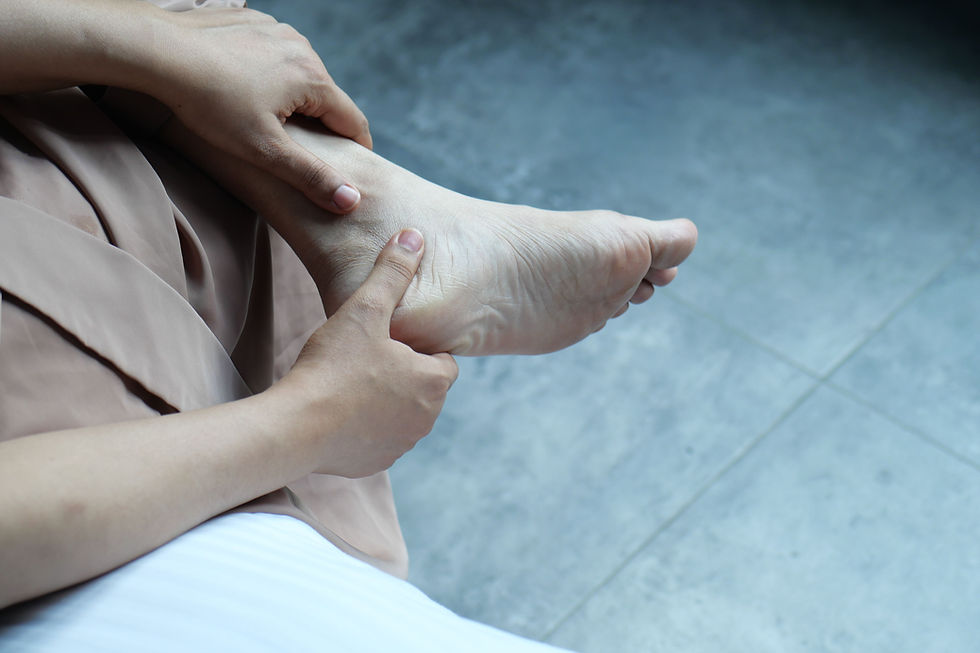
Relief after removing footwear or massaging the foot
Symptoms may come and go initially but often become more frequent if left untreated.
Who Is at Risk?
You may be more likely to develop Morton's neuroma if you:
Frequently wear narrow or high-heeled shoes
Participate in running or jumping sports
Spend long periods standing or walking
Have bunions, flat feet, or high arches
Are female, as the condition is diagnosed more commonly in women.
How Can Physiotherapy Help?
Conservative treatment is often successful, especially when symptoms are addressed early.
Your physiotherapist may recommend:
Activity Modification
Temporarily reducing activities that aggravate symptoms while maintaining an appropriate level of physical activity.
Footwear Advice
Shoes with a wide toe box, good cushioning, and lower heels can reduce pressure on the affected nerve.
Manual Therapy
Hands-on techniques may help improve foot mobility and reduce stiffness in surrounding joints and soft tissues.
Stretching and Strengthening Exercises
Exercises to improve foot and ankle strength, calf flexibility, and lower limb mechanics can reduce stress on the forefoot.
Taping or Padding
Padding or metatarsal pads may help redistribute pressure away from the irritated nerve.
Orthotics
For some individuals, custom foot orthotics may improve foot alignment and reduce pressure on the affected area. At the Waterloo Sports Medicine Centre, we offer custom orthotics services by a certified pedorthist.
Recovery and Healing Time
Mild cases: Symptoms may improve within 4-8 weeks with footwear changes and physiotherapy.
Moderate cases: Recovery often takes 2-3 months of consistent conservative treatment.
Persistent cases: Some people may benefit from corticosteroid injections or, less commonly, surgery if symptoms do not improve with non-surgical care.
Early treatment generally leads to better outcomes and may reduce the likelihood of needing more invasive treatment.
When Should You See a Physiotherapist?
Consider booking an assessment if you have:
Burning pain in the ball of your foot
Tingling or numbness in your toes
Pain that worsens while walking or wearing shoes
A sensation of standing on a pebble or marble
Symptoms that are limiting work, exercise, or daily activities
Experiencing burning pain or numbness in the front of your foot? The physiotherapists at Waterloo Sports Medicine Centre can assess the cause of your symptoms and develop a personalized treatment plan to help you walk comfortably again.


Comments